 +86 13313703791
 +86 13313703791
 seren@ymgkplc.com


Description
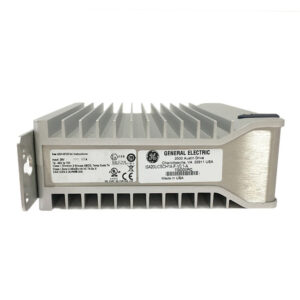
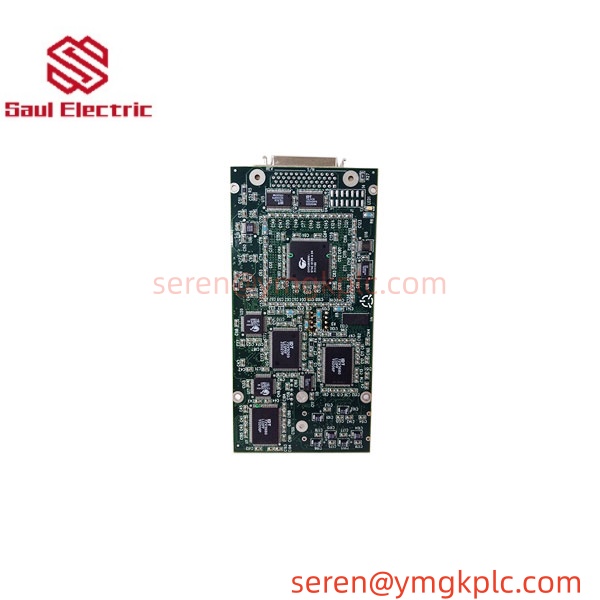
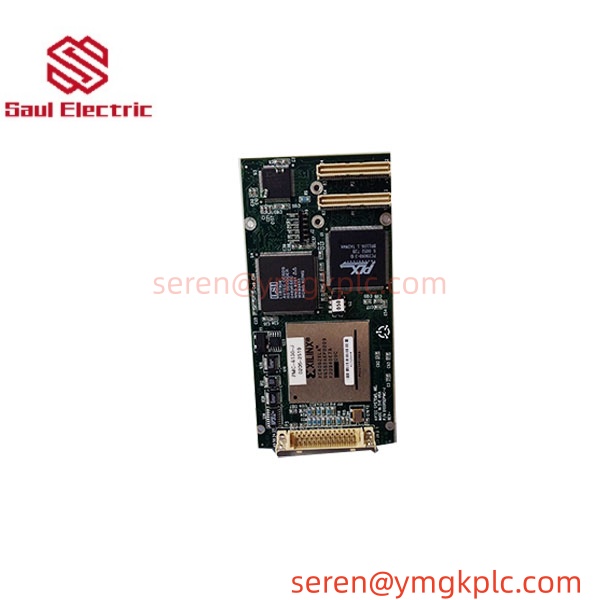
The PMC-6130-J belongs to Motorola’s legacy PMC ecosystem, designed for VME and CompactPCI platforms where additional communication, data acquisition, or application-specific interfaces are required. Unlike a standalone controller, this card operates as an expansion module installed directly onto a compatible carrier board.
3. Key Technical Specifications
| Parameter | Value |
|---|---|
| Manufacturer | Motorola Computer Group |
| Model | PMC-6130-J |
| Product Type | PMC Expansion Module |
| Form Factor | PMC (PCI Mezzanine Card) |
| Standard | IEEE 1386 / IEEE 1386.1 |
| Bus Interface | PCI, typically 32-bit, 33 MHz |
| Installation | PMC slot on VME or CompactPCI carrier |
| Power Supply | Through PMC connector |
| Voltage Rails | 3.3 V and/or 5 V |
| Typical Power Consumption | Less than 10 W |
| Dimensions | Approx. 149 mm × 74 mm |
| Approx. Weight | 0.15–0.20 kg |
| Operating Temperature | Typically 0°C to +55°C |
| I/O Access | Front panel and/or rear I/O |
| Country of Origin | United States |
The PMC architecture allows expansion without replacing the host processor board. Many long-life industrial, transportation, and defense systems continue using PMC technology because changing the CPU platform would require extensive software validation and field testing.
4. Product Introduction (Anti-Template)
Unlike entry-level I/O modules, the PMC-6130-J is not intended for direct field installation in a PLC rack. It is a mezzanine card designed to expand the capabilities of Motorola VMEbus or CompactPCI processor systems by adding application-specific interfaces or communications.
That distinction matters during procurement. Two PMC cards may share nearly identical dimensions while supporting completely different functions. A technician may remove a faulty card, see “PMC” on the label, and assume any similar module will work. It usually does not. The host carrier, PCI mapping, rear-I/O arrangement, and software driver support all need verification before replacement. Honestly, this extra check often prevents a second shutdown.
5. QC, Procurement & Logistics SOP
- Inbound Verification
The model number, option suffix, PCB revision, serial label, and connector arrangement are checked upon receipt. Particular attention is paid to suffixes such as “-J,” because special-build variants may differ in coating, environmental specifications, or I/O configuration. - Live Rig Testing
Where compatible VME or CompactPCI carrier hardware is available, the card undergoes controlled installation and power-up testing. PCI recognition, interface behavior, and communication functions are checked. A simple power-on LED test is not enough for PMC hardware. - QA & Anti-Static Packaging
The module is handled under ESD protection and packed in anti-static materials. Connector areas and front-panel hardware receive additional mechanical protection. A PMC connector bent during transportation can create difficult-to-diagnose PCI faults. - Global Logistics & Export Compliance
Commercial documents should identify the item as a PMC expansion module rather than a generic processor board. HS classification should be selected according to the actual function of the installed module. Air freight is commonly used for urgent maintenance requirements, while sea freight may be appropriate for larger consolidated shipments. Secure cushioning is important because PMC cards contain fine-pitch connectors and exposed electronic components.
6. Technical Pitfalls & Integration Warnings
- Firmware and Driver Mismatch
A replacement card may fit mechanically but fail at the software level. For example, a host VME CPU running an older operating system may not recognize a newer driver package. Physical installation succeeds, but communication never starts. - Carrier Board Compatibility
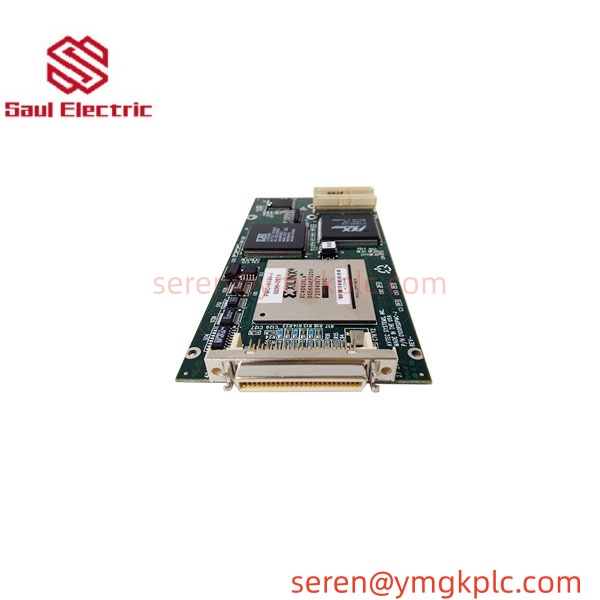
Not every PMC carrier supports every module. Voltage rails, rear-I/O routing, and PCI resource allocation must match the application. Installing a card without checking carrier compatibility can result in startup faults or bus conflicts. - Rear I/O Differences
Some PMC modules use front-panel connectors, while others route signals through rear transition modules. Two cards can look identical from the top while having completely different I/O methods. Check the wiring drawings before replacement. - ESD During Handling
PMC cards contain dense electronic components and exposed PCI connectors. Keep the card inside ESD packaging until installation, use grounding precautions, and avoid touching connector contacts directly.
7. Frequently Asked Questions (FAQ)
Q1: Is the PMC-6130-J a processor board or an I/O card?
The available references identify it as a PMC expansion module rather than a standalone CPU. The actual interface function may depend on the specific hardware variant and installed system.
Q2: Which systems use the PMC-6130-J?
PMC modules are commonly found in:
- VMEbus systems
- CompactPCI systems
- Embedded industrial computers
- Long-life control and communication platforms
Compatibility depends on the host carrier board.
Q3: “Can I replace a PMC module while the system is running?”
In most installations, no. PMC modules are mounted directly on processor carrier boards, and removal under power can cause PCI bus errors or system interruptions. Follow approved shutdown procedures.
Q4: Is the “-J” suffix important?
Yes. Motorola suffixes may indicate special builds, environmental treatment, or configuration differences. Always verify the full model number before ordering.
Q5: How quickly can this module be shipped internationally?
If inventory is available, export preparation normally includes part-number verification, inspection, anti-static packing, and customs documentation. Transit time depends on destination and shipping method.
Q6: Is the PMC-6130-J backward-compatible with all PMC slots?
Not automatically. Mechanical fit is only one factor. Voltage requirements, rear-I/O routing, PCI resources, operating system support, and driver compatibility should all be checked before installation.
Q7: What information should I provide before requesting a replacement?
Please provide:
- Full model number and suffix
- Nameplate photo
- Host CPU or carrier board model
- Operating system details
- Existing rear-I/O configuration
- Quantity required
- Destination country
- Required delivery date
For legacy VME and CompactPCI systems, the carrier-board model is often the key piece of information. It determines whether the replacement is a true drop-in match.
- WhatsApp: +86 13313703791
- Email: seren@ymgkplc.com
- Phone: +86 13313703791
- Wechat: +86 13313703791
- Website: www.xiongbaparts.com