 +86 13313703791
 +86 13313703791
 seren@ymgkplc.com


Description
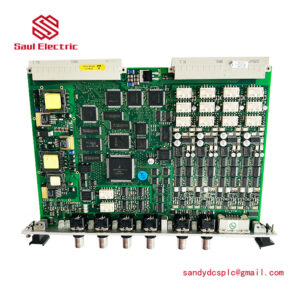
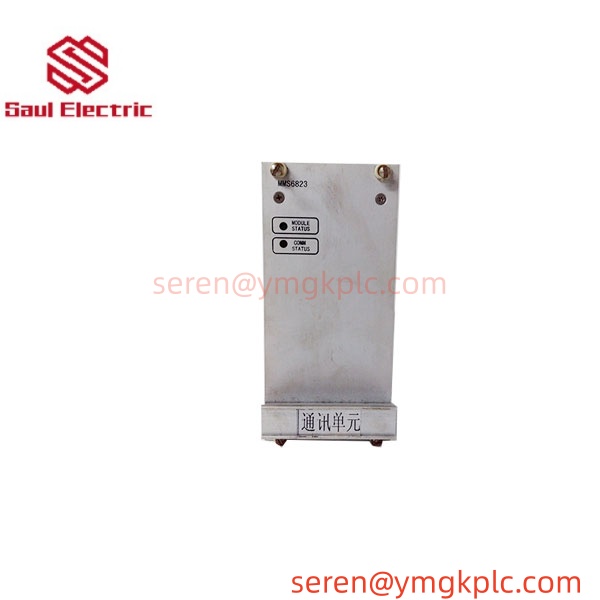
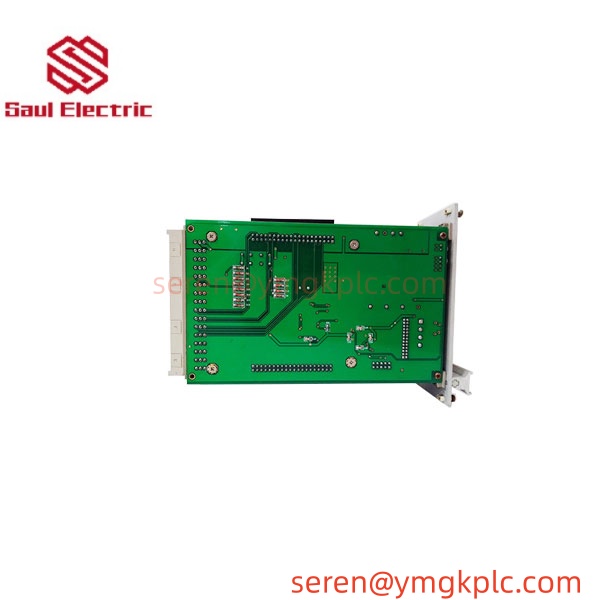
The MMS6823 is used as a data acquisition and communication interface within the EPRO MMS6000 machinery monitoring architecture. It communicates with connected MMS6000 modules through RS485 and makes their measurement and status data available to DCS, DEH, and vibration analysis systems through MODBUS or Ethernet TCP/IP.
3. Key Technical Specifications
| Parameter | Value |
|---|---|
| Manufacturer | EPRO |
| Model | MMS6823 |
| Product Family | MMS 6000 |
| Product Type | Data Acquisition & Communication Module |
| Primary Function | MMS6000 data collection and protocol conversion |
| MMS6000 Communication | RS485 |
| RS485 Ports | 8 |
| MODBUS Interface | RS232 |
| MODBUS Modes | MODBUS RTU / MODBUS ASCII |
| Ethernet Interface | RJ45, TCP/IP |
| Power Supply | 24 VDC |
| Operating Temperature | 0°C to 60°C |
| Maximum Data Channels | Up to 192 channels under the documented 8-port architecture |
| Country of Origin | Germany |
| Approx. Unit Weight | 0.5–0.8 kg, depending on packaging/configuration |
The documented architecture uses the second through ninth serial ports for communication with MMS6000 modules, with up to 12 modules per RS485 port and two channels per module, giving a theoretical capacity of 192 data channels. The first serial port provides MODBUS communication, while Ethernet provides TCP/IP data transmission.
4. Product Introduction (Anti-Template)
When a turbine monitoring system has multiple MMS6000 modules generating measurement, alarm, and status data, the MMS6823 provides the communication bridge between those modules and higher-level control or analysis systems. It continuously polls the connected MMS6000 modules through RS485, processes the received data, and makes the information available through MODBUS RTU/ASCII and TCP/IP.
The module is particularly relevant to rotating machinery installations where vibration and machine-condition data must reach a DCS, DEH, or dedicated analysis system. Its eight RS485 communication paths allow parallel data acquisition rather than forcing every monitoring channel through a single serial connection. Honestly, that architecture can make troubleshooting much easier when a large MMS6000 installation is involved.
5. QC, Procurement & Logistics SOP
- Inbound Verification
The incoming MMS6823 is checked against the stated model, nameplate, serial information, revision markings, and physical configuration. Packaging condition is recorded before opening. Where available, purchase records and manufacturer-origin information are also cross-checked. - Live Rig Testing
A controlled functional inspection is performed when suitable test equipment and a compatible MMS6000 test environment are available. Power-up behavior, communication interfaces, status indicators, RS485 communication, MODBUS output, and Ethernet connectivity are checked against the applicable configuration. Do not treat a basic power-on test as proof of complete system compatibility. - QA & Anti-Static Packaging
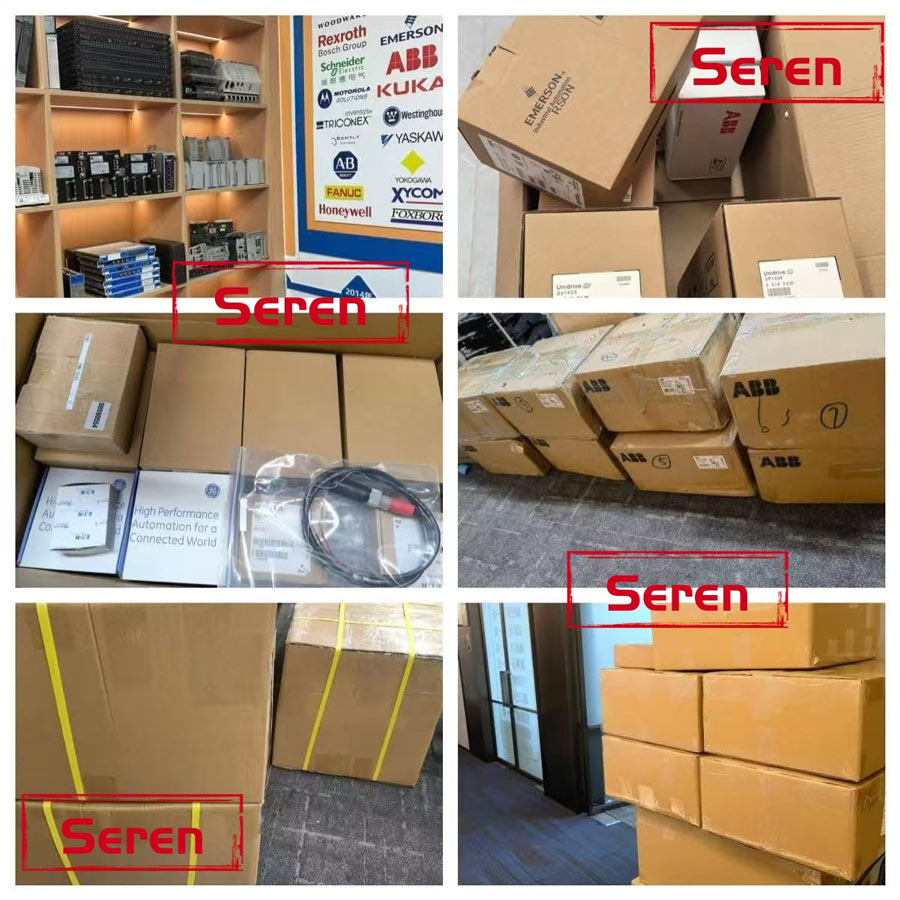
The electronic module is handled using ESD precautions. After inspection, it is placed in appropriate anti-static protection with cushioning around the PCB and connectors. For long-distance shipments, the outer carton is reinforced to reduce shock and compression damage. - Global Logistics & Export Compliance
Commercial documents are prepared using the actual model, product description, country-of-origin information, quantity, and applicable HS classification. A commonly listed classification for the MMS6823 is HS 85389091, but the final customs classification should be confirmed against the import country’s tariff rules and the actual configuration.For urgent requirements, air freight is generally preferable because of the shorter transit cycle. Sea freight can make sense for consolidated industrial shipments. Either way, secure packaging is important—the MMS6823 contains electronic circuitry and communication interfaces that should not be exposed to impact, moisture, or uncontrolled static discharge.
6. Technical Pitfalls & Integration Warnings
- Firmware or Configuration Revision Mismatch
A replacement MMS6823 may have the correct basic model number but still require configuration verification. For example, a site using a specific XML communication configuration may experience missing MODBUS data after installing a replacement with different settings. Confirm the existing configuration before commissioning. - DIP Switch / Configuration Errors
Communication parameters matter. MODBUS mode, network settings, serial configuration, and IP addressing must correspond to the plant architecture. A module can power up normally and still appear “dead” to the DCS because its communication parameters were not restored correctly. - Wiring / Terminal Incompatibility
RS485 wiring requires correct polarity and network topology. Swapping the communication pair or terminating the bus incorrectly can prevent multiple MMS6000 modules from communicating. Check the existing wiring diagram rather than relying solely on terminal position. - ESD Damage During Unboxing
The MMS6823 is an electronic communication module, not a passive terminal block. Removing it from anti-static packaging and immediately handling the PCB can expose sensitive circuitry to static discharge. Keep the module protected until the cabinet and grounding arrangements are ready.
7. Frequently Asked Questions (FAQ)
Q1: What is the main purpose of the EPRO MMS6823?
It acts as a data acquisition and communication interface for the MMS6000 machinery monitoring system. It collects data from connected MMS6000 modules through RS485 and converts the information for MODBUS and TCP/IP communication.
Q2: Can the MMS6823 communicate with a DCS or DEH system?
Yes. The acquired measurement, alarm, and module-status information can be accessed by DCS, DEH, and other connected systems through MODBUS communication. Ethernet TCP/IP can also be used for data transmission to compatible analysis systems.
Q3: Does the MMS6823 support both MODBUS RTU and MODBUS ASCII?
Yes. The documented RS232 MODBUS interface supports selectable MODBUS RTU or MODBUS ASCII operation. The communication mode is configured within the module’s configuration environment.
Q4: “Can you ship an MMS6823 internationally, and how long will it take?”
For an available unit, international shipment can normally be arranged after order confirmation, inspection, and packing. Actual transit time depends on destination and freight method. Air freight is normally the practical choice for an urgent turbine-spare requirement.
Q5: Is the MMS6823 safe to hot-swap?
Do not assume it is. The module belongs to a machinery monitoring architecture where communication and monitoring continuity can matter to the plant. Unless the installed system documentation specifically permits live replacement, isolate the relevant power and follow the site’s maintenance procedure before removing the module.
Q6: Is a newer MMS6823 automatically backward-compatible with an older MMS6000 installation?
Not automatically. Check the exact module version, firmware/configuration requirements, rack or system architecture, communication settings, and connected MMS6000 modules. A matching model number is only the starting point for compatibility verification.
Q7: What should I provide before purchasing a replacement?
For a critical machinery-monitoring application, provide:
- Full MMS6823 part number and revision
- Nameplate or module label photo
- Existing MMS6000 rack information
- Number and types of connected MMS6000 modules
- Current communication method
- MODBUS or TCP/IP requirements
- Destination country and required delivery date
This information lets procurement and engineering teams verify the replacement before it is released for shipment.
- WhatsApp: +86 13313703791
- Email: seren@ymgkplc.com
- Phone: +86 13313703791
- Wechat: +86 13313703791
- Website: www.xiongbaparts.com