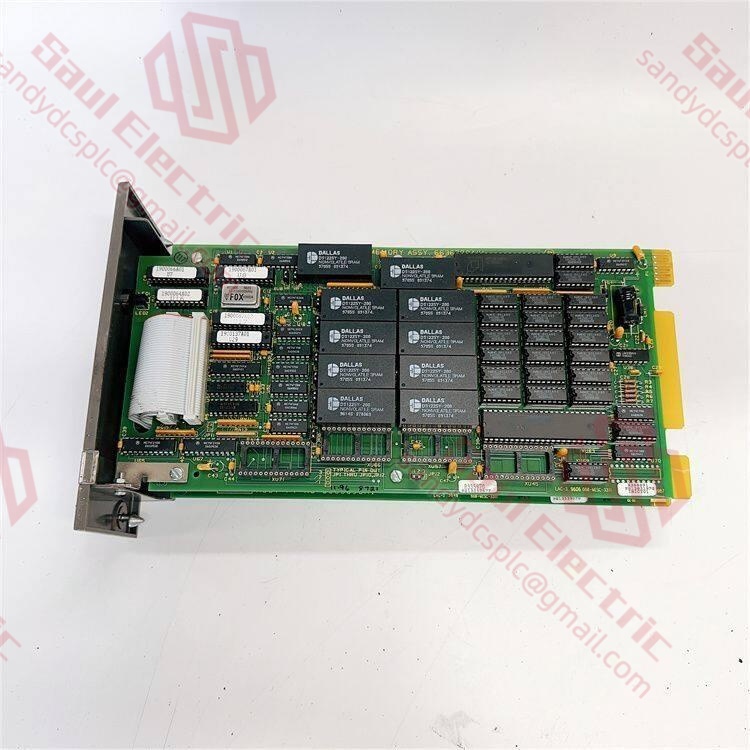
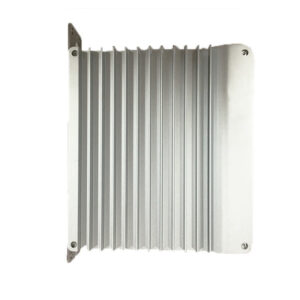
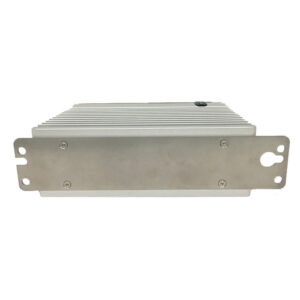
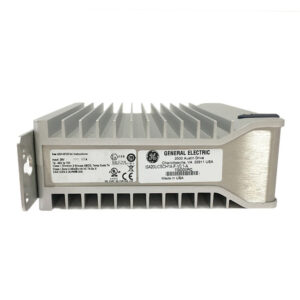
ABB INICT01 is a high-performance computer transfer module developed by ABB for its industrial automation system, tailored specifically for industrial automation and control applications. In fact, it’s a core component of the ABB Bailey Infi 90 and Symphony Plus DCS series, and it serves as a reliable core communication hub in complex industrial control architectures. It enables efficient and stable data transmission between the ABB INFI-Net fieldbus network and external computers or SCADA systems, supporting bidirectional data exchange for device monitoring, system configuration and fault diagnosis, thus streamlining information flow in industrial control.
With its rugged industrial design and redundant architecture, it delivers proven high reliability in industrial scenarios where stability is paramount. As a key interface in process automation, the ABB INICT01 is equipped with advanced communication technology, supporting multiple industrial communication protocols including INFI-Net, Modbus RTU and ASCII, with a maximum data transmission rate of 115,200 bps. Its wide input voltage range of 12-36V DC and operating temperature range of -20°C to +70°C allow it to adapt seamlessly to various harsh industrial conditions.
Boasting excellent integration capabilities and signal processing performance, this module lays a solid foundation for data connectivity in automation systems across power, manufacturing, chemical and other industries, effectively ensuring the precision of process control and the overall stability of industrial systems.
12-36V DC or 24V DC ±15% (Redundant Input Supported)
Power Consumption
≤ 3W
Operating Temperature
-20°C to +70°C (Extended range -40°C to +70°C in some sources)
Protection Rating
IP20 or IP65 (Varies by source)
Isolation Protection
2500 Vrms galvanic isolation
Dimensions
Approx. 210mm × 105mm × 250mm (120mm x 80mm x 60mm and other specs in some sources)
Weight
Approx. 0.25kg to 0.6kg (Varies by source)
Mounting Style
DIN rail mounting or rack-mounted
Key Features & Advantages
The most striking feature of the ABB INICT01 is its outstanding communication performance and system integration capabilities. It supports a variety of industrial communication protocols such as INFI-Net, Modbus RTU and ASCII, and is equipped with interfaces including RS-232 and RS-485. Acting as an intelligent communication gateway, it seamlessly connects ABB DCS with external computers, SCADA systems and other control devices to achieve unobstructed bidirectional data exchange.
Its modular design and programmability allow users to implement customized control logic and algorithms through programming, greatly enhancing flexibility in practical applications and adapting to diverse industrial control needs. High reliability design is another core selling point of the INICT01. Adopting a rugged industrial structure, it not only adapts to a wide operating temperature range of -20°C to +70°C, but also features 2500 Vrms galvanic isolation and built-in transient voltage suppression, which can effectively resist electrical interference and voltage transients common in industrial environments.
The redundant architecture with dual-channel communication and dual power input, combined with diagnostic functions via indicator lights for power, link and error status, further elevates its reliability in critical industrial applications. What’s more, the module is mostly configurable via ABB’s Control Builder software, making both system integration and daily maintenance extremely convenient to operate.
Application Fields
The ABB INICT01 is widely used in all aspects of industrial process control, especially in scenarios with high requirements for data communication reliability. In the power and energy sector, it is a staple in the distributed control systems (DCS) of thermal and nuclear power plants. It closely connects control layer processors with remote I/O stations, intelligent instruments and protection devices, enabling real-time data transmission for core processes such as boiler control and turbine monitoring, thus ensuring the stable operation of power production.
In the oil and gas industry, the INICT01 is perfectly suited for the needs of refinery facilities and pipeline SCADA systems, enabling stable long-distance communication and seamless connection with field devices such as flow computers and control valves to ensure accurate transmission of process parameters and reliable delivery of control commands. In manufacturing sectors such as automotive manufacturing and chemical production, the INICT01 builds a stable serial communication link for the ABB Infi 90 DCS, allowing the system to efficiently exchange data with Manufacturing Execution Systems (MES) and Programmable Logic Controllers (PLC), facilitating precise collection of production data and refined management of production scheduling.
It is also applied in automation systems for water treatment, metallurgy and other industries. Thanks to its excellent environmental adaptability — a standard operating temperature range of -20°C to +70°C, with a wider range marked in some sources — it can operate stably for a long time in harsh field environments, greatly reducing equipment downtime caused by communication failures.
In addition, the ABB INICT01’s comprehensive support for multiple communication protocols allows third-party devices or systems adopting different standards to be easily integrated into the overall control system, further expanding the compatibility and integration capabilities of the entire control system.
Related Supporting Products
There are many ABB series modules that work with the INICT01 for complementary functions, each with its own application focus, forming a complete industrial control communication solution:
INICT03/INICT03A: Enhanced interface modules with extended functions, the upgraded versions of the INICT01, meeting higher communication requirements
INIIT02/INIIT03/INIIT12: Signal input processing modules for specific scenarios, working in coordination with the INICT01 as input interface modules
INIPT01: Process interface module for industrial applications, focusing on the processing and transmission of various process signals
INNIS21: Network interface module for the front-end of computer communication, capable of processing multiple types of information, with in-depth linkage with the INICT01 at the communication level
INNPM12: Network processor module for system integration, helping build high-speed plant-wide communication networks
IMMFP12: Multifunction processor module as the system controller, cooperating with the INICT01 to implement various core control functions
IMDSI14/IMDSI22: Digital input submodules providing digital inputs for the Symphony system, belonging to the I/O supporting system of the whole system together with the INICT01
Installation & Maintenance
Installation Preparation
To maximize the performance of the ABB INICT01, careful planning and operation are essential for the installation process, which must strictly comply with electrical standards and safety specifications at all times. First, confirm the mounting location — whether DIN rail or rack-mounted — to leave sufficient space for ventilation and subsequent maintenance operations. Then, carefully check that the power supply voltage matches the module’s requirements, such as the standard 24V DC, and ensure reliable grounding of the device.
Field wiring also has specific requirements: select suitable cable types, strictly follow signal separation specifications to avoid electrical interference affecting communication quality. Handle the INICT01 with care during transportation and installation to prevent damage to connectors and internal precision components. Relevant electrostatic protection operating requirements must also be strictly observed to avoid electrostatic breakdown of components.
Maintenance Recommendations
Long-term stable operation of equipment is always inseparable from regular maintenance, and the INICT01 is no exception. It is necessary to formulate a comprehensive preventive maintenance schedule, conduct regular visual inspections of the equipment to check for physical damage, dust accumulation or loose wiring. Verify the real-time operating status of the module through system diagnostic functions and keep an eye on abnormal readings or lit fault indicator lights.
Regularly check the tightness of terminal connections and signs of oxidation or corrosion, and ensure that environmental parameters such as temperature, humidity and voltage for equipment operation are always within the calibrated range. It is recommended to keep detailed records of each maintenance operation and faults occurring during equipment operation, which will make it easier to troubleshoot problems and optimize the maintenance plan in the future. Fortunately, the INICT01 adopts a modular design, so if a fault occurs and replacement is needed, the operation is also simple, which can minimize system downtime caused by maintenance.
Product Quality Assurance
ABB’s quality control for the INICT01 module is always aligned with the original manufacturer’s specifications and performance requirements for industrial automation applications. The complete quality assurance process includes multiple rounds of rigorous testing and verification steps, from component screening to finished product inspection, with strict checks at every step to ensure that the module can operate continuously and stably in high-demand industrial environments.
Moreover, ABB provides users with full-process technical support, covering system configuration, on-site installation guidance and fault troubleshooting during equipment operation, fully supporting the smooth implementation of the INICT01 in automation systems. This guarantee runs through the entire product life cycle, and users can obtain continuous technical support for subsequent equipment performance optimization and maintenance plan formulation.
For core components such as the INICT01, ABB also maintains sufficient inventory reserves to timely meet users’ emergency procurement needs. Within the product warranty period, if the module fails due to non-human reasons, users can also enjoy a free replacement service, fully ensuring the continuous and stable operation of industrial automation systems. At present, many suppliers mark the standard warranty period of this module as 12 months.

 +86 18030182217
 +86 18030182217
 sandydcsplc@gmail.com