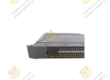
【Intro】
A SIS system (Safety Instrumented System) is a critical safety control system used in industrial environments to prevent accidents and protect people, equipment, and the environment.
SIS systems are widely used in industries such as oil & gas, power generation, and chemical processing, where safety and reliability are essential.
By automatically detecting abnormal conditions and taking corrective actions, SIS systems help reduce risks and ensure safe operation.
【What is SIS System】
A Safety Instrumented System (SIS) is an independent control system designed to monitor industrial processes and take action when unsafe conditions are detected.
It works alongside the main control system (DCS) but focuses purely on safety functions.
When a dangerous condition occurs, the SIS system can automatically shut down processes or bring them to a safe state.
【How SIS Works】
(1) Sensors detect process conditions such as temperature, pressure, or flow
(2) The logic solver processes the input data
(3) The system determines whether conditions are safe
(4) If a risk is detected, the system sends signals to final control elements
(5) Actuators (valves, relays) execute safety actions such as shutdown
【Key Components of SIS】
| Component | Function |
|---|---|
| Sensors | Detect process conditions |
| Logic Solver | Processes signals and makes decisions |
| Final Elements | Execute safety actions |
【SIS vs DCS】
| Aspect | SIS | DCS |
|---|---|---|
| Purpose | Safety | Process control |
| Priority | Prevent accidents | Optimize production |
| Operation | Independent system | Integrated control system |
| Response | Emergency shutdown | Continuous control |
【SIS and TMR Systems】
SIS systems often use TMR (Triple Modular Redundancy) architecture to achieve high reliability and fault tolerance.
TMR ensures that even if one component fails, the system continues to operate safely through majority voting.
This makes TMR-based systems ideal for SIL2 and SIL3 safety applications.
【ICS Triplex in SIS Systems】
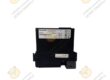
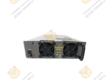
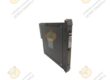
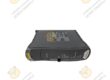
ICS Triplex Trusted systems are widely used in SIS applications due to their TMR architecture and high reliability.
Typical modules include:
(1) Processor Module: T8110B
(2) Input Modules: T8403 / T8431
(3) Output Modules: T8448 / T8451 / T8461C
(4) Communication Modules: T8151B / T8480
(5) Power Supply Modules: T8231 / T9110
These modules work together to build a complete SIS solution.
【Applications of SIS】
(1) Oil & gas production and refining
(2) Power generation plants
(3) Chemical and petrochemical industries
(4) Industrial manufacturing facilities
(5) Hazardous process environments
【Benefits of SIS】
| Benefit | Description |
|---|---|
| Safety | Protects people and equipment |
| Reliability | Ensures continuous safe operation |
| Compliance | Meets industry safety standards |
| Risk Reduction | Prevents accidents and failures |
【FAQ】
Q1: What does SIS stand for?
A: SIS stands for Safety Instrumented System.
Q2: What is the purpose of SIS?
A: To detect unsafe conditions and automatically take actions to prevent accidents.
Q3: What is the difference between SIS and DCS?
A: SIS focuses on safety, while DCS focuses on process control.
Q4: Why is TMR used in SIS?
A: TMR provides high reliability and fault tolerance for safety-critical systems.
【CTA】
Looking for reliable SIS system modules for your project?
Contact us now for expert advice, fast quotation, and global stock availability.
Send Inquiry Now | Get Quote in 24 Hours